If you’ve ever looked up at your roof after a wet Bournemouth winter and noticed dark streaks creeping back in, you’re not alone. Many homeowners invest in roof cleaning expecting long-term results, only to find moss and algae slowly returning sooner than expected. So the real question is not just how long does roof cleaning last, but what actually determines its lifespan in UK conditions?
The answer isn’t one-size-fits-all. It depends on your roof type, cleaning method, surrounding environment, and—perhaps most importantly, the unpredictable British weather.
Understanding Roof Cleaning in the UK Climate
The UK’s climate plays a huge role in how long roof cleaning results last. Bournemouth, in particular, experiences a mix of coastal moisture, mild temperatures, and frequent rainfall. These conditions create the perfect environment for moss, algae, and lichen to thrive.
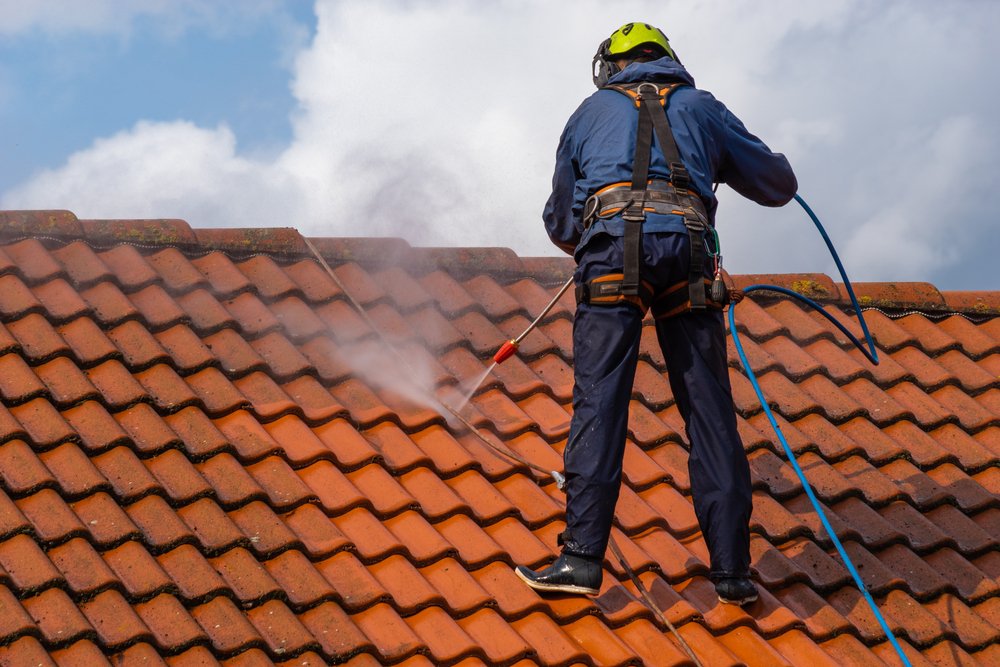
Roof cleaning typically involves removing these organic growths through methods like soft washing, pressure washing, or manual scraping. In most cases, a biocide treatment is applied afterward to slow regrowth. But here’s where expectations need to be realistic.
How Long Does Roof Cleaning Last on Average?
In UK conditions, a professionally cleaned roof usually stays clear for 2 to 5 years. However, this range can vary significantly.
A roof treated with a high-quality biocide and maintained properly can stay cleaner for closer to five years. On the other hand, if the treatment is skipped or the environment encourages rapid growth, you may start noticing moss returning within 18 to 24 months.
This is why asking how long does roof cleaning last without considering the context can be misleading. It’s not just about the cleaning itself, but what happens afterward.
Factors That Affect How Long Roof Cleaning Lasts
1. The Cleaning Method Used
Not all cleaning methods deliver the same results. Soft washing, which uses low pressure combined with chemical treatments, tends to last longer because it kills spores at the root. Pressure washing, while visually effective, often removes surface growth without addressing the underlying cause.
In Bournemouth’s damp environment, skipping biocide treatment almost guarantees quicker regrowth.
2. Roof Material and Condition
Clay tiles, slate, and concrete tiles all react differently to cleaning. Older roofs with porous surfaces tend to retain moisture, making them more susceptible to moss returning quickly.
If your roof already has minor damage or wear, it creates additional footholds for organic growth.
3. Surrounding Environment
Homes near trees, shaded areas, or coastal zones experience faster regrowth. Leaves and debris trap moisture, while shade prevents the roof from drying out fully.
This is where services like Gutter Cleaning become essential. Blocked gutters allow water to overflow and soak into roof edges, accelerating moss growth.
4. Weather Patterns in Bournemouth
Bournemouth’s coastal climate brings humidity, salt air, and frequent rain—all of which contribute to faster biological growth. Unlike drier regions, roofs here rarely stay dry for long periods, creating ideal conditions for moss and algae.
5. Maintenance After Cleaning
One of the biggest mistakes homeowners make is treating roof cleaning as a one-off job. In reality, maintenance plays a major role in extending results.
Regular inspections, debris removal, and occasional re-treatment can significantly extend the lifespan of a clean roof.
Real-Life Example: Bournemouth Property Case
A homeowner in Bournemouth had their roof professionally cleaned using soft washing and a biocide treatment. Initially, the results were excellent, with the roof looking almost new.
However, the property was surrounded by trees, and gutters were rarely maintained. Within two years, moss began returning along the edges.
After introducing regular Gutter Cleaning and trimming overhanging branches, the roof stayed clean for over four years after the second treatment.
How Roof Cleaning Connects with Other Exterior Services
Roof cleaning doesn’t exist in isolation. It’s part of a broader property maintenance strategy.
For example, Driveways Block Paving often faces similar issues with moss and algae buildup. If your roof is shedding debris or spores, they can settle on your driveway, accelerating staining and growth.
Keeping your entire exterior clean roof, gutters, and paving creates a more consistent and longer-lasting result. Neglecting one area often undermines the others.
Signs Your Roof Needs Cleaning Again
Even if you’re within the typical lifespan window, certain signs indicate it’s time for another clean. These include visible moss patches, dark streaks, clogged gutters, or water not draining properly.
Waiting too long can lead to more than just cosmetic issues. Moss retains moisture, which can damage tiles, cause leaks, and reduce your roof’s lifespan.
How to Make Roof Cleaning Last Longer
If your goal is to maximise the time between cleans, the focus should shift from just cleaning to prevention.
A professionally applied biocide treatment is one of the most effective ways to slow regrowth. Pair that with routine gutter maintenance and keeping nearby trees trimmed, and you can significantly extend results.
In some cases, homeowners opt for scheduled maintenance treatments every 2–3 years rather than waiting for visible buildup. This proactive approach often works out more cost-effective in the long run.
Internal and External Resources
For homeowners looking to maintain their property effectively, it’s worth exploring related services like exterior cleaning and drainage solutions. You can also refer to guidance from organisations like the UK’s Health and Safety Executive (HSE) for safe roof maintenance practices.
If you’re already investing in exterior improvements, combining roof cleaning with driveway and gutter services can deliver better long-term value.
FAQs About Roof Cleaning in the UK
How long does roof cleaning last in Bournemouth specifically?
In Bournemouth’s coastal climate, roof cleaning typically lasts between 2 and 4 years, depending on maintenance and environmental factors.
Does rain reduce the effectiveness of roof cleaning?
Not directly. In fact, rain helps activate some biocide treatments. However, constant moisture encourages regrowth over time.
Is pressure washing a good option for roofs?
It depends on the roof condition. While effective for immediate results, it may not last as long as soft washing with treatment and can sometimes damage tiles.
Can I extend the results without another full clean?
Yes, periodic biocide re-treatment and regular gutter maintenance can prolong results without needing a full clean.
How often should gutters be cleaned alongside roof cleaning?
Ideally, gutters should be cleaned at least once or twice a year, especially in areas with heavy foliage.
Final Thoughts: Is Roof Cleaning Worth It?
When done properly, roof cleaning is absolutely worth it, but only if you understand what you’re paying for. It’s not a permanent fix. It’s part of an ongoing maintenance cycle shaped by your environment, your property, and how proactive you are afterward.
If you approach it strategically, a single professional clean can deliver several years of results and protect your roof from long-term damage.
Ready to Protect Your Roof?
If you’re in Bournemouth and wondering how long does roof cleaning last for your specific property, the best approach is a tailored assessment. Every roof is different, and a professional inspection can help you understand what to expect.
Get in touch with a local expert today to extend the life of your roof, improve your home’s appearance, and avoid costly repairs down the line.