If you’ve got a block paving driveway, you’ll know how quickly it can lose its appeal. One winter of rain, moss creeping into the joints, tyre marks settling in, and suddenly the entrance to your home looks tired and neglected. The frustrating part is that even after a quick rinse or DIY clean, the results rarely last.
That’s where proper Driveway Cleaning in the UK becomes less about appearance and more about protecting your investment. In places like Bournemouth, where coastal moisture and unpredictable weather speed up algae growth, knowing what actually works for block paving isn’t just useful, it’s essential.
Why Block Paving Needs a Different Approach
Block paving isn’t like concrete or tarmac. It’s made up of individual bricks with sand-filled joints, which means it’s more vulnerable to movement, weed growth, and water retention. Many homeowners assume a pressure washer alone will do the job, but that often causes more harm than good.
When done incorrectly, high-pressure cleaning can strip out the jointing sand, loosen blocks, and create uneven surfaces. Over time, this leads to sinking areas and expensive repairs. A proper approach focuses on cleaning, restoring, and sealing, not just blasting away dirt.
What Actually Works for Driveway Cleaning in the UK
Professional Pressure Washing Done Correctly
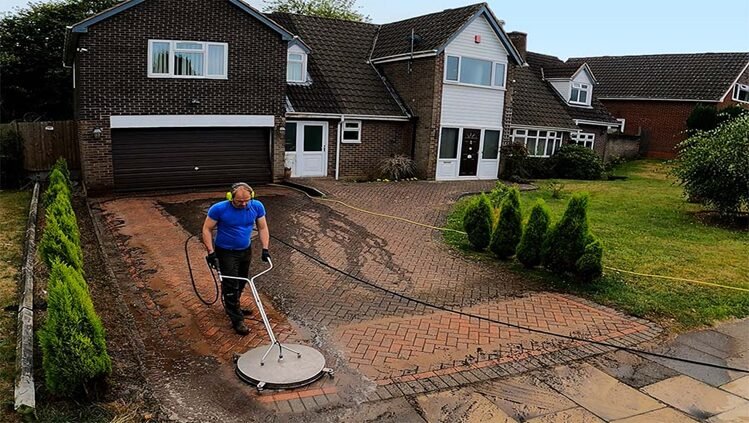
Pressure washing is still one of the most effective methods, but technique matters more than the equipment itself. Professionals use controlled pressure, typically with rotary surface cleaners, to ensure even cleaning without damaging the blocks.
In Bournemouth, where salt in the air can accelerate wear, this method helps remove deep-set grime, algae, and black spots without weakening the surface. The difference between DIY and professional work is often visible immediately. One leaves patchy results, the other restores a uniform finish.
Re-Sanding the Joints
Cleaning is only half the job. Once the surface is washed, the kiln-dried sand between the blocks needs to be replaced. This step stabilises the driveway and prevents weeds from returning quickly.
Skipping this is one of the most common mistakes homeowners make. Without proper re-sanding, even a freshly cleaned driveway can start to deteriorate within weeks.
Sealing for Long-Term Protection
Sealing is often overlooked, but it’s what keeps your driveway looking good long after cleaning. A quality sealant protects against oil stains, inhibits weed growth, and enhances the colour of the blocks.
In coastal areas like Bournemouth, sealing also helps protect against moisture penetration, which is a major cause of moss and algae build-up. While it adds to the upfront cost, it significantly reduces how often you’ll need professional cleaning.
Common Problems UK Homeowners Face
Moss, Algae, and Lichen Growth
The UK climate is ideal for organic growth. Damp conditions, shaded areas, and poor drainage all contribute to moss and algae spreading across block paving. These not only look unsightly but can also make surfaces slippery and unsafe.
Oil and Tyre Marks
Driveways aren’t just exposed to the weather. Oil leaks and tyre marks can seep into the porous surface of block paving, making them difficult to remove without specialist cleaning solutions.
Weeds Between the Joints
Even the smallest gaps between blocks can become a breeding ground for weeds. Once roots take hold, they can displace the blocks and damage the structure over time.
DIY vs Professional Driveway Cleaning in the UK
It’s tempting to tackle driveway cleaning yourself, especially with the availability of domestic pressure washers. For light dirt, this can work. But for anything more stubborn, DIY methods often fall short.
Professionals bring more than just equipment. They understand surface pressure limits, use commercial-grade cleaning solutions, and follow up with re-sanding and sealing. More importantly, they reduce the risk of long-term damage.
If you compare costs over time, repeated DIY cleaning and repairs often end up being more expensive than a proper professional service done once or twice a year.
How Often Should You Clean Your Driveway?
There isn’t a one-size-fits-all answer, but in most parts of the UK, including Bournemouth, a full professional clean once a year is usually enough. However, properties surrounded by trees or exposed to constant shade may need more frequent attention. Regular maintenance, such as brushing and occasional rinsing, can extend the time between deep cleans.
The Bigger Picture: Exterior Cleaning Matters
Driveway cleaning shouldn’t be treated in isolation. It’s part of your property’s overall exterior maintenance. Services like Roof Cleaning and Gutter Cleaning play a crucial role in preventing issues that can affect your driveway.
Blocked gutters can overflow, causing water to spill onto driveways and accelerate algae growth. Similarly, moss from roofs can wash down and settle on paving. When these services are combined, the results are not only better but longer-lasting.
Real-World Insight: A Bournemouth Example
A homeowner in Bournemouth had their block paving driveway cleaned using a standard DIY pressure washer. Initially, it looked better, but within two months, weeds returned, and sand loss caused uneven patches.
After hiring a professional service, the driveway was cleaned using controlled pressure, re-sanded, and sealed. Over a year later, the surface remained stable, with minimal weed growth and noticeably improved colour.
The takeaway is simple. Cleaning alone isn’t enough. Restoration and protection are what make the difference.
Choosing the Right Driveway Cleaning Service
Not all services are equal. Look for companies that offer a complete process rather than just pressure washing. Ask whether they include re-sanding and sealing, and check if they have experience with block paving specifically.
Local knowledge also matters. A company familiar with Bournemouth’s climate will understand the specific challenges posed by coastal conditions and tailor their approach accordingly.
FAQs About Driveway Cleaning in the UK
How long does driveway cleaning take?
Most block paving driveways can be cleaned within a few hours, but the full process, including drying time, re-sanding, and sealing, can take one to two days.
Is pressure washing safe for block paving?
Yes, but only when done correctly. Excessive pressure can damage the surface and remove jointing sand, which is why professional handling is recommended.
How long does sealing last?
A good-quality sealant can last between two to four years, depending on usage and weather exposure.
Can driveway cleaning remove oil stains completely?
In many cases, yes. However, deeply embedded stains may require multiple treatments or specialist products.
Do I need to clean my driveway every year?
For most UK homes, an annual clean is sufficient. High-moisture areas or shaded properties may need more frequent maintenance.
Final Thoughts
A clean driveway does more than improve kerb appeal. It protects your property, extends the life of your paving, and creates a safer environment. But the key is doing it properly.
If you’re serious about maintaining your driveway, think beyond a quick wash. Focus on a complete approach that includes cleaning, re-sanding, and sealing. And where possible, integrate it with services like Roof Cleaning and Gutter Cleaning for longer-lasting results.
Ready to Restore Your Driveway?
If your block paving is starting to look worn or overrun with weeds, now’s the time to act. A professional Driveway Cleaning in the UK service can transform your space and save you money on future repairs.
Get in touch with a trusted local expert in Bournemouth and see the difference a proper clean can make.