
We’ve all seen it happen during a typical Bournemouth downpour. You’re walking down the street, perhaps near the seafront or through a leafy neighbourhood like Talbot Woods, and you spot a house with a waterfall cascading right over the front door. It might look dramatic, but for the homeowner, it’s the start of a very expensive nightmare.
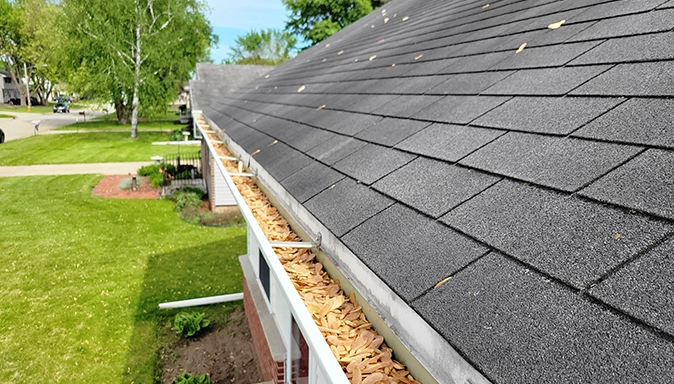
It is easy to forget about gutters. They sit high up, out of your direct line of sight, silently collecting leaves, moss, and debris. But when the coastal winds pick up and the rain lashes against the windows, those overlooked channels become your home’s primary defence against water damage. Ignoring them isn’t just a matter of curb appeal; it is a financial gamble that rarely pays off.
Why Bournemouth Homes Are Particularly Vulnerable
Living on the coast has its perks, fresh sea air and stunning beaches, but it also means our properties face unique challenges. Bournemouth’s weather is wetter and windier than many inland areas, which puts significant strain on roofing and drainage systems.
The Coastal Weather Factor
Our proximity to the English Channel means we are frequently hit by salt-laden winds and heavy squalls. Salt accelerates corrosion on metal fittings, while high winds often dislodge roof tiles and blow significant amounts of debris into gutters. If your gutters are already full, that water has nowhere to go but into your roof space or down your walls.
The “Moss Effect” in Dorset
Dorset’s climate is surprisingly conducive to moss growth. You have likely noticed thick green carpets on roofs across the BCP area. When it rains, clumps of this moss detach and slide directly into the guttering. Unlike leaves, which might blow away, moss becomes heavy and sludge-like when wet, creating solid blockages that are incredibly difficult to shift without professional gutter cleaning.
The Structural Risks of Blocked Gutters
When we talk about maintenance, we aren’t just talking about a bit of dripping water. The structural implications of failing to manage your rainwater goods are severe.
Foundation Damage and Subsidence
This sounds extreme, but it is a genuine risk. Gutters are designed to channel water away from your home’s base. When they overflow, water pools directly around the foundation. Over time, this saturates the soil, causing it to expand and contract, potentially leading to cracks in the foundation or even subsidence. Given that many older Bournemouth properties sit on sandy or clay-heavy soils, water management is critical to structural stability.
Fascia and Soffit Rot
Your gutters are attached to the fascia boards. When gutters clog, they become heavy with wet debris—sometimes weighing hundreds of kilograms. This weight pulls on the fascia, causing it to bow or detach. Furthermore, the constant overflow saturates the timber. If you have wooden fascias rather than uPVC, rot can set in quickly, allowing water to penetrate the roof void.
Damp and Mould: The Silent Invaders
One of the most common calls we get isn’t about the gutters themselves, but about mysterious damp patches appearing in bedrooms or living rooms.
When a gutter is blocked, water doesn’t just spill over the front; it often tracks backwards, under the roof tiles and down the internal cavity walls. This creates:
- Penetrating Damp: Visible wet patches on ceilings and walls.
- Mould Growth: Black mould thrives in damp environments and can trigger respiratory issues like asthma.
- Insulation Damage: Wet loft insulation loses its thermal efficiency, meaning your heating bills will go up while your house stays cold.
The Connection Between Roof Health and Clean Gutters
Many homeowners treat roof cleaning and gutter maintenance as separate jobs, but they are intrinsically linked. A dirty roof is the primary source of gutter blockages.
If your roof is covered in lichen and moss, every rain shower washes more of it into the troughs. You can clean your gutters today, but if the roof remains covered in debris, they will be blocked again within months. Taking a holistic approach, cleaning the roof and the gutters simultaneously, is often the most cost-effective strategy for long-term protection.
Pest Infestations: An Unexpected Consequence
A clogged gutter is essentially a five-star hotel for pests. The decomposing leaves and stagnant water create a warm, moist environment perfect for insects.
- Mosquitoes and Gnats: Stagnant water is a breeding ground.
- Birds and Rodents: Birds love to nest in the shelter of a blocked gutter, while rats and mice use them as a water source and a bridge to enter your roof space.
Keeping your gutters clear removes this habitat, discouraging unwanted guests from settling into your eaves.
Is DIY Gutter Maintenance Worth the Risk?
We understand the temptation to grab a ladder and do it yourself. However, gutter maintenance is statistically one of the more dangerous household chores.
The Safety Aspect
Falls from ladders are a leading cause of injury in the UK. Working at height, often on uneven ground (common in Bournemouth’s hilly suburbs), while trying to scoop wet muck out of a pipe is risky.
The Risk of Damage
Leaning a heavy ladder against plastic guttering can crack the vinyl or snap the brackets. Professional cleaners use stand-offs or cherry pickers—or increasingly, high-reach vacuum systems—that clean gutters from the safety of the ground without putting pressure on the roofline.
When Should You Schedule Maintenance?
Timing is everything. In the UK, we recommend a minimum of an annual check, but for homes near trees, twice a year is safer.
- Late Autumn (November/December): This is crucial. Wait until most leaves have fallen. Clearing them now ensures your gutters are ready to handle the heavy winter rains and potential snow melt.
- Spring (March/April): This clears out any winter debris, moss that has been dislodged by frost, and early bird nests (be careful of nesting season laws).
Frequently Asked Questions (FAQs)
How do I know if my gutters are blocked without going up a ladder?
You can often tell from the ground. Look for water spilling over the sides during rain, sagging pipes, or plants growing out of the guttering. Also, look for splash marks or algae on the exterior walls—this is a sign of overflow.
Can blocked gutters really damage my brickwork?
Yes. Constant water running down brickwork can wash out the mortar (pointing), making bricks loose. In winter, this water can freeze inside the brick face, causing “spalling” where the front of the brick shatters and falls off.
Does gutter cleaning include downpipes?
A professional service should always include downpipes. A clear top trough is useless if the vertical pipe is blocked. Ensure you ask your provider if they check the “swan necks” (the bends in the pipe), as this is where blockages usually occur.
How much does professional gutter cleaning cost in Bournemouth?
Prices vary depending on the size of the property and accessibility (e.g., a terraced house vs. a detached 3-storey home). However, the cost is a fraction of the price of repairing damp damage or replacing rotten fascia boards.
Conclusion: Protect Your Home Today
Your home is likely your biggest investment. Protecting it from water damage shouldn’t be an afterthought. The hidden dangers of skipping gutter maintenance, from structural subsidence to black mould, are far too costly to ignore.
In a coastal town like Bournemouth, where the weather can turn quickly, having a robust drainage system is essential. Don’t wait until you see a waterfall over your front door or a damp patch on the bedroom ceiling. Preventive maintenance is cleaner, safer, and significantly cheaper than emergency repairs.