If your roof has started looking tired or your render seems permanently stained, winter is usually to blame. In Bournemouth, months of damp air, coastal winds and limited sunlight quietly do their damage. By the time spring arrives, many homeowners notice dark streaks on tiles, green patches on walls and patios that never quite dry out. The question is not whether cleaning is needed, but when. And for most properties along the south coast, spring is the smartest time to act.
Spring offers the right balance of weather, visibility and long-term protection. It is the point where minor surface problems can still be dealt with before they turn into expensive maintenance issues. More importantly, it is the season where roof and render cleaning actually delivers lasting results rather than short-term cosmetic fixes.
What Winter Really Does to Roofs and Render
Bournemouth’s coastal climate creates ideal conditions for moss, algae and lichen. During winter, roofs and rendered walls stay damp for long periods. Limited sunlight means moisture does not evaporate quickly, especially on north-facing elevations. Over time, this encourages organic growth to embed itself into tiles, mortar lines and render finishes.
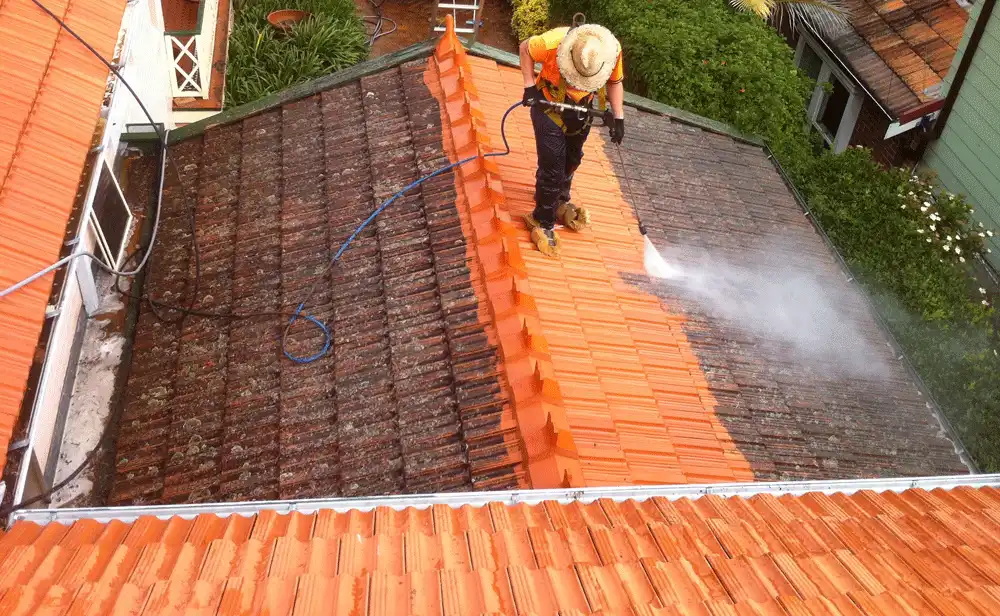
On roofs, moss does more than look unsightly. It retains moisture against tiles, which increases the risk of surface erosion and frost damage. In gutters, it breaks down into debris that causes blockages, leading to overflowing water and damp patches around the property. Render suffers in a similar way. Algae and pollution staining cling to textured surfaces, dulling the appearance of the home and slowly degrading protective coatings.
By early spring, the damage is usually visible. The advantage is that it is still at a stage where professional roof cleaning and render cleaning can restore the surface without aggressive methods or repair work.
Why Spring Conditions Are Ideal for Roof and Render Cleaning
Spring offers stable temperatures, lower rainfall than winter and enough warmth for cleaning treatments to work properly. Roof and render cleaning relies on controlled moisture levels. Treatments need time to dwell and activate, and surfaces need to dry naturally afterwards. Cold winter temperatures slow this process down, while high summer heat can cause solutions to dry too quickly.
In spring, conditions are balanced. This allows soft washing treatments to penetrate moss and algae effectively without stressing the surface underneath. It also means that protective biocides applied after cleaning continue working over the following months, preventing regrowth through summer and into autumn.
The Long-Term Value of Cleaning Before Summer
Many homeowners treat roof and render cleaning as a visual upgrade. In reality, it is preventative maintenance. Spring cleaning removes moisture-holding growth before the warm months, reducing the risk of cracked tiles, failing render and internal damp issues later in the year.
There is also a knock-on effect across the rest of the property. When roofs and walls are cleaned early, patios, paths and driveways benefit too. Patio cleaning carried out at the same time helps prevent algae from spreading back onto walls through splashback during rainfall. This joined-up approach keeps the entire exterior looking cleaner for longer and reduces the need for repeated treatments.
Estate agents in Dorset frequently note that kerb appeal peaks in late spring and early summer. Homes that have had roof and render cleaning done in spring present better in listing photos and viewings. Even if selling is not on the agenda, the visual improvement can be dramatic.
Spring Cleaning and Coastal Properties in Bournemouth
Bournemouth properties face unique challenges. Salt in the air accelerates surface wear, especially on older roofs and rendered homes near the coast. Spring is the safest time to remove built-up grime before salt residues harden under summer sun.
Experience shows that homes cleaned in spring tend to stay cleaner for longer in coastal areas. The treatments applied during this season have time to bond with surfaces before peak UV exposure. This extends the lifespan of the clean and delays regrowth well into the following year.
Why Waiting Until Summer Often Backfires
It is common for homeowners to delay roof and render cleaning until summer, assuming better weather means better results. In practice, this often leads to problems. High temperatures can cause cleaning solutions to dry too fast, reducing their effectiveness. On some render finishes, rapid drying increases the risk of streaking or uneven results.
Summer is also when many exterior cleaning companies are busiest. This can mean longer waiting times and rushed scheduling. By acting in spring, homeowners secure better availability and more thorough work.
A Real-World Example from Bournemouth Homes
In recent years, many Bournemouth homeowners have noticed recurring moss problems despite previous cleaning. In most cases, the issue was timing. Cleaning carried out late in autumn or mid-winter removed surface growth but did not allow treatments to work fully. Properties cleaned in early spring, however, showed noticeably less regrowth even after twelve months.
This aligns with industry data suggesting that biocidal roof treatments applied in spring can remain effective up to 30 percent longer compared to winter applications, particularly in damp coastal regions.
How Roof and Render Cleaning Fits Into Wider Exterior Maintenance
Spring is when most homeowners start thinking about outdoor spaces again. Patio cleaning naturally becomes part of that process. When roofs, render and patios are cleaned together, the results last longer and look more consistent. Clean roofs prevent debris washing down onto freshly cleaned patios, while clean walls reduce algae spread during rainfall.
This seasonal reset prepares the property for summer use and reduces the need for reactive cleaning later in the year.
FAQs: Roof and Render Cleaning in Spring
Is spring really better than autumn for roof and render cleaning?
In Bournemouth, spring is generally more effective. Autumn cleaning removes surface dirt but does not prevent winter regrowth. Spring cleaning stops growth before peak seasons and allows treatments to perform properly.
Will roof cleaning damage tiles or render?
When done professionally using soft washing methods, roof and render cleaning is safe. High-pressure washing is avoided on delicate surfaces to prevent damage.
How long will the results last?
With proper treatment, spring roof and render cleaning can keep surfaces clean for 12 to 24 months, depending on exposure and surrounding vegetation.
Can patio cleaning be done at the same time?
Yes. Spring is ideal for patio cleaning and combining services often improves overall results and reduces future maintenance.
Is roof and render cleaning necessary if there are no visible issues?
Early-stage growth is not always obvious. Cleaning in spring prevents hidden moisture damage and extends the lifespan of exterior surfaces.
Final Thoughts and Call to Action
Spring is not just a convenient time for roof and render cleaning. In Bournemouth’s climate, it is the most effective time to protect your property, improve its appearance and avoid avoidable repair costs. Acting early keeps organic growth under control and ensures treatments work as intended.
If your roof, render or patio is showing signs of winter wear, spring is your opportunity to reset your home’s exterior properly. Speak to a local specialist who understands Bournemouth’s conditions and uses methods designed to protect, not just clean. The right timing makes all the difference.