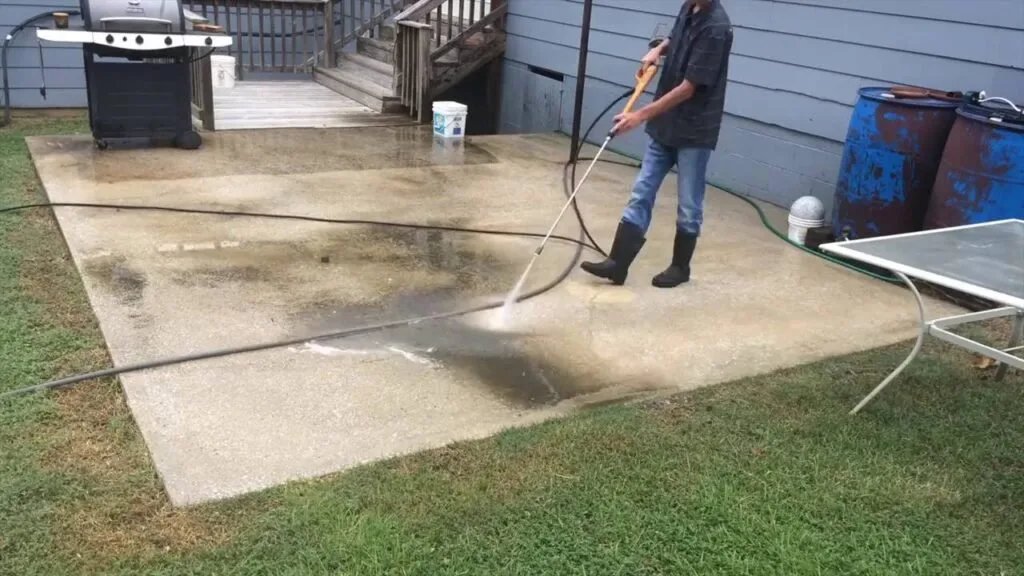
If you walk down almost any residential street in Bournemouth, you will see block paving everywhere. Driveways, patios, pathways. It looks smart when it is clean, but once algae, moss, tyre marks and grime build up, many homeowners reach for a pressure washer and hope for the best.
That is where the doubt creeps in. Is pressure washing safe for block paving, or does it quietly cause damage that only shows up months later? The short answer is yes, it can be safe, but only if it is done properly. Done badly, it can shorten the life of your driveway and create problems that cost far more than a professional clean.
Why Block Paving Gets Dirty So Quickly in Bournemouth
Block paving is porous by design. That helps with drainage, but it also means dirt, moisture and organic matter work their way into the joints and surface over time. In Bournemouth, the problem is amplified.
The coastal climate brings higher humidity, frequent rainfall and salt in the air. These conditions create the perfect environment for algae and moss to thrive, especially in shaded driveways or north-facing patios. Add vehicle traffic and everyday use, and block paving can look tired surprisingly fast.
This is why pressure washing feels like an obvious solution. It is quick, visible and satisfying. But appearances can be misleading.
Is Pressure Washing Safe for Block Paving?
Pressure washing can be safe for block paving, but safety depends on technique, pressure level and what happens afterwards.
Block paving is made up of individual concrete or clay blocks laid on a compacted base, with kiln-dried sand filling the joints. That jointing sand is not decorative. It locks the blocks together and distributes weight across the surface.
When pressure washing is done at excessive pressure or the lance is held too close, the water does not just remove dirt. It strips out the jointing sand and can even erode the surface of the blocks themselves. The driveway might look cleaner on day one, but structurally it is weaker.
This is where many DIY cleans go wrong.
The Most Common Damage Caused by Improper Pressure Washing
One of the most frequent issues we see after aggressive pressure washing is joint failure. Once the sand is washed out, the blocks start to move slightly under load. Over time, this leads to uneven surfaces, sinking areas and trip hazards.
Surface damage is another hidden problem. Concrete blocks have a protective outer layer. High pressure can wear this away, leaving the surface more porous. That makes future staining worse and encourages algae to return faster than before.
In Bournemouth, this damage is accelerated by moisture. A driveway with exposed joints and weakened surfaces absorbs more water, which increases the risk of frost damage in winter and weed growth in spring.
Why DIY Pressure Washing Often Causes More Harm Than Good
Most domestic pressure washers are marketed as all-purpose cleaning tools. They are rarely used with the right attachments or settings for block paving.
Homeowners often focus on visible dirt and forget about what they are removing beneath the surface. Without re-sanding the joints afterwards, pressure washing becomes a short-term cosmetic fix with long-term consequences.
There is also a tendency to clean too frequently. Block paving does not need aggressive cleaning every few months. Over-cleaning increases wear and reduces the lifespan of the surface.
When Pressure Washing Is the Right Choice
Pressure washing is not the enemy. Used correctly, it can be part of proper block paving maintenance.
Lower pressure settings, wider fan nozzles and controlled distance from the surface reduce the risk of damage. More importantly, a professional clean includes reapplying kiln-dried sand once the surface has dried. This restores stability and helps prevent movement.
In some cases, soft washing combined with targeted pressure washing delivers better results, especially where algae is the main issue rather than ingrained staining.
How Block Paving Maintenance Connects With Other Exterior Cleaning
It is worth looking at your property as a whole rather than treating each surface in isolation. Block paving issues often mirror problems seen on roofs and gutters.
For example, overflowing gutters can dump water directly onto driveways, accelerating algae growth and erosion. Similarly, neglected roof cleaning can allow moss to fall onto paved areas, spreading organic matter across the surface.
Addressing gutter cleaning and roof cleaning alongside block paving maintenance reduces repeat issues and extends the lifespan of all exterior surfaces. This joined-up approach is particularly effective in coastal towns like Bournemouth, where moisture is a constant factor.
What the Data Tells Us About Surface Cleaning Damage
Industry surveys suggest that improper pressure washing is one of the leading causes of premature block paving failure. Contractors frequently report having to re-level and re-sand driveways that were aggressively cleaned within the previous 12 to 24 months.
Manufacturers of concrete block paving also advise against high-pressure cleaning without joint restoration. Their guidance is clear that surface integrity depends on intact jointing sand.
The takeaway is simple. Cleaning is not just about removing dirt. It is about preserving structure.
How to Tell If Your Block Paving Has Already Been Damaged
Signs of damage do not always appear immediately. Over time, you may notice loose blocks, shallow dips where cars park, or weeds growing faster than before. Water pooling instead of draining properly is another warning sign.
If these issues appear after pressure washing, the cleaning method is usually the cause rather than the paving itself.
FAQs About Pressure Washing Block Paving
Is pressure washing safe for block paving if I use a low setting?
Lower pressure significantly reduces the risk, but it does not eliminate it. Jointing sand will still be disturbed, so re-sanding is essential.
How often should block paving be pressure washed?
For most Bournemouth properties, a professional clean every two to three years is sufficient, with light maintenance in between.
Can pressure washing remove oil stains from block paving?
It can reduce them, but oil often penetrates deeply. Specialist treatments are usually required for full removal.
Should block paving be sealed after pressure washing?
Sealing can help protect the surface and joints, but only if the paving is completely dry and properly re-sanded first.
Is professional cleaning worth the cost?
In most cases, yes. Professional cleaning costs far less than repairing sunken or damaged block paving caused by improper DIY cleaning.
The Bottom Line for Bournemouth Homeowners
So, is pressure washing safe for block paving? Yes, but only when it is treated as part of a proper maintenance process rather than a quick cosmetic fix.
In Bournemouth’s damp, coastal environment, the risks of doing it wrong are higher than many homeowners realise. Stripping out jointing sand, damaging surfaces and inviting faster regrowth can turn a clean driveway into an ongoing problem.
If you are considering cleaning your block paving, think beyond the pressure washer itself. Look at water flow, surrounding surfaces, and what happens after the dirt is gone.
If you would like advice tailored to your property, or want to combine block paving cleaning with roof cleaning and gutter cleaning for longer-lasting results, speak to a local exterior cleaning specialist who understands Bournemouth conditions. A careful approach now can save you significant repair costs later.