You don’t usually notice your home’s exterior changing day by day. It happens gradually. The patio darkens. The driveway loses its original colour. Moss creeps across roof tiles almost unnoticed. Then one morning, especially after a stretch of wet weather in Bournemouth, you step outside and realise the house looks tired.
Exterior Cleaning in the UK is not just about appearance. In coastal areas like Bournemouth, salt-laden air, persistent damp and sudden temperature shifts quietly take their toll on roofs, render and driveway block paving. The question homeowners often ask is simple: when is the best time of year to deal with it properly?
The honest answer is not “any time”. Timing makes a real difference to results, longevity and cost.
Why Timing Matters for Exterior Cleaning in the UK
The UK climate is unpredictable. We deal with high rainfall, moderate temperatures and long damp periods. According to the UK Met Office, the south coast typically sees over 800mm of annual rainfall. In towns like Bournemouth, sea air accelerates surface wear and encourages algae growth.
Exterior surfaces are porous. Roof tiles, block paving and even modern render absorb moisture. When combined with organic growth such as moss, lichen and algae, this moisture retention leads to deterioration. In winter, trapped water can freeze and expand, causing micro-cracks. Over time, that becomes costly damage.
That is why Exterior Cleaning in the UK should be planned strategically rather than reactively.
Spring: The Most Popular Time for Exterior Cleaning
Spring is widely considered the ideal season for exterior cleaning, and for good reason.
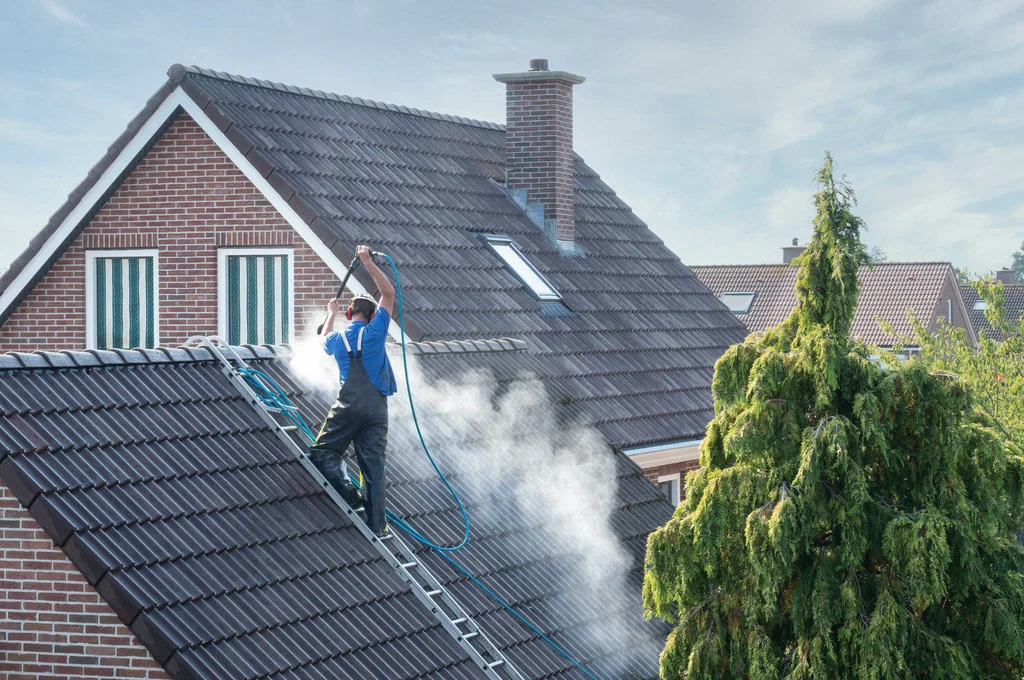
After months of winter rain and storms, most properties show visible signs of build-up. Moss thrives through autumn and winter. Gutters often clog. Driveway block paving develops black spot lichen. Roof Cleaning becomes especially important at this stage.
Temperatures are typically mild, which is perfect for soft washing treatments. Cleaning solutions work more effectively when they are not battling freezing conditions or excessive heat. Surfaces also dry at a steady pace, reducing the risk of water retention.
In Bournemouth, spring is particularly effective because coastal winds help dry surfaces more quickly once cleaning is complete. Many professional exterior cleaning companies report that spring bookings account for nearly 40 percent of annual residential jobs.
If your goal is to restore your property before summer, improve kerb appeal, or prepare for putting your house on the market, spring is often the smartest choice.
Summer: Best for Long-Lasting Results
Summer offers consistency. Longer dry spells mean surfaces stay clean for longer once treated. For homeowners investing in Driveway Block Paving cleaning, this can be the optimal window.
High temperatures allow treatments to cure properly. Sealants used on block paving perform better in dry conditions. If you are considering re-sanding and sealing after pressure washing, summer provides the right environment.
Roof Cleaning is also effective in summer, especially when soft wash treatments are applied. The biocide continues working over several weeks, and dry weather prevents immediate regrowth.
Autumn: Preventative Protection Before Winter
Autumn is often overlooked, yet it may be one of the most strategic times for Exterior Cleaning in the UK.
Leaves begin to fall, gutters fill quickly, and moisture levels increase. If moss is already present on your roof, autumn rainfall accelerates growth. Scheduling Roof Cleaning before heavy winter weather prevents moss from absorbing excess moisture that can damage tiles.
Driveway block paving also benefits from autumn cleaning. Removing algae and organic matter before winter reduces the risk of slippery surfaces during frosty mornings. For households in Bournemouth where rainfall increases towards winter, preventative cleaning protects both safety and structure.
Winter: When Cleaning Makes Less Sense
Cold temperatures reduce the effectiveness of certain treatments. Frequent rainfall prevents surfaces from drying properly. Strong winds along the south coast can also disrupt access equipment during roof work.
In some cases, emergency Roof Cleaning may still be required, especially if blocked gutters are causing internal damp. However, routine Exterior Cleaning in the UK is generally more efficient outside peak winter months.
If budget or scheduling forces a winter clean, it is essential to use experienced professionals who understand weather limitations and safety compliance.
How Bournemouth’s Coastal Climate Changes the Equation
Bournemouth presents unique challenges. Salt air accelerates corrosion. High humidity encourages algae and lichen growth on driveways and roofs. South-facing surfaces may dry quickly, while shaded areas remain damp for longer.
This means Exterior Cleaning in the UK must be adapted locally. In coastal towns, many professionals recommend an annual maintenance schedule rather than waiting two or three years between cleans.
Local knowledge matters. Cleaning techniques suitable for inland towns may not deliver the same longevity on the coast.
Roof Cleaning and Driveway Block Paving: Seasonal Considerations
Roof Cleaning requires careful timing because working at height involves safety risk and weather sensitivity. Dry, mild conditions in spring and early summer reduce hazards and improve treatment performance.
Driveway block paving cleaning, on the other hand, depends heavily on drying time. After pressure washing, kiln-dried sand must be applied to stabilise the blocks. If rainfall is forecast within 24 hours, the process becomes compromised.
According to property maintenance studies, regular exterior cleaning can extend surface lifespan by up to 30 percent. In practical terms, that means delaying costly roof repairs or driveway replacement by several years.
So, What Is the Best Time?
For most homeowners in Bournemouth, late spring to early summer offers the strongest balance between effectiveness and longevity. If prevention is your priority, early autumn is a smart alternative.
The worst approach is waiting until visible damage forces urgent repairs. Exterior Cleaning in the UK works best as planned maintenance, not crisis management.
Frequently Asked Questions
When is the best month for exterior cleaning in the UK?
For most properties, April through June tends to be ideal. Temperatures are mild, rainfall is lower than winter, and surfaces have had time to accumulate winter grime. In coastal areas like Bournemouth, late spring is particularly effective because treatments have time to work before peak summer growth returns.
How often should I schedule exterior cleaning?
In general, Exterior Cleaning in the UK should be carried out every 12 to 18 months. However, location plays a major role. Homes near the sea or surrounded by trees may require annual maintenance due to faster moss and algae growth. Regular inspections help prevent minor issues becoming expensive repairs.
Is roof cleaning safe for tiles?
Yes, when done correctly. Professional Roof Cleaning typically uses a soft washing method rather than high-pressure washing. This approach removes moss and applies a biocide treatment without damaging tiles, mortar or protective coatings. Incorrect pressure washing, however, can shorten a roof’s lifespan.
Can driveway block paving be cleaned without causing damage?
Driveway block paving can be safely cleaned using controlled pressure washing followed by re-sanding and, where appropriate, sealing. The key is using the correct pressure levels and allowing adequate drying time. When done properly, the process restores colour and stability without loosening the blocks.
Does exterior cleaning increase property value?
While it may not directly raise the valuation figure, it significantly improves kerb appeal. Estate agents often confirm that well-maintained exteriors help properties sell faster and create stronger first impressions. For homeowners in competitive areas such as Bournemouth, appearance can influence buyer decisions.
Is exterior cleaning necessary if my home looks fine from a distance?
Surface build-up often begins before it becomes clearly visible. Moss retains moisture, algae creates slip hazards, and blocked gutters can lead to damp problems inside the property. Preventative Exterior Cleaning in the UK protects structural materials and reduces long-term maintenance costs.
How long do the results last?
Results vary depending on exposure, shading and local climate. In Bournemouth’s coastal conditions, treatments typically last between 12 and 24 months. Applying a professional biocide treatment after cleaning helps slow regrowth and extend the lifespan of the results.
Final Thoughts: Protect Now, Save Later
Exterior Cleaning in the UK is not a cosmetic luxury. It is preventative maintenance shaped by climate, location and timing. In Bournemouth, where coastal conditions accelerate wear, choosing the right season can mean the difference between short-term improvement and long-term protection.
If you are considering Roof Cleaning or restoring your driveway block paving, the smartest step is to assess your property now rather than waiting for winter damage to appear.
A professional inspection will help determine the best timing based on your specific exposure, materials and local conditions. Acting early protects your investment and keeps your home looking exactly as it should.