When did you last look up at your roof — really look? For most homeowners in Bournemouth, the answer is: not recently. And that’s completely understandable. Life is busy, and the roof is easy to ignore — until a damp patch appears on the bedroom ceiling or a tile cracks during a winter storm. The truth is, neglecting your roof doesn’t just affect its appearance; it quietly chips away at its structural integrity year after year. According to the
According to the National Federation of Roofing Contractors (NFRC), a well-maintained tiled roof can last anywhere from 50 to 100 years. But without regular upkeep, that lifespan can be slashed dramatically. The good news? Something as straightforward as routine roof cleaning can make all the difference. In this guide, we’ll walk you through exactly how roof cleaning can extend the life of your tiles — and why homeowners across Bournemouth are making it a non-negotiable part of their property maintenance routine.
Why Roof Tiles Deteriorate Faster Than You Think
Bournemouth’s coastal climate is genuinely beautiful — but it’s no friend to your roof. The combination of salt-laden sea air, frequent rainfall, and moisture-heavy winters creates the perfect breeding ground for algae, moss, lichen, and general grime. These aren’t just cosmetic issues. Left unchecked, they become active agents of deterioration.
Moss, in particular, is deceptively damaging. It holds moisture against your tiles long after rain has stopped, and as temperatures drop in the colder months, that trapped water freezes and expands — a process known as freeze-thaw weathering. Over time, this causes tiles to crack, lift, and lose their waterproofing capability. Once a tile is compromised, water ingress into the roof structure isn’t far behind.
Lichen is even more persistent. Unlike moss, it bonds chemically to the tile surface, etching into the material and causing surface erosion that can permanently weaken the tile. You can’t simply brush it off — it requires specialist treatment.
How Roof Cleaning Can Extend the Life of Your Tiles
This is the heart of the matter. Regular, professional roof cleaning addresses each of these threats before they become expensive problems. Here’s how it works in practice.
Removing Biological Growth Before It Causes Structural Damage
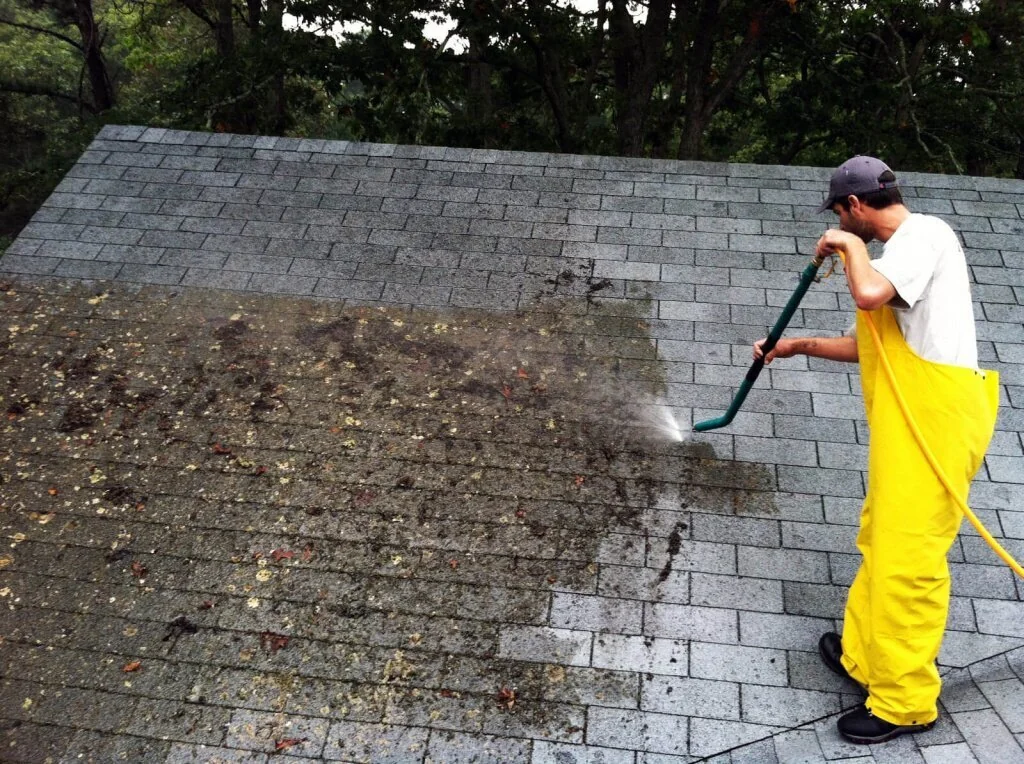
A professional roof clean targets moss, algae, and lichen at the root — not just the surface. Using low-pressure soft washing techniques combined with biodegradable biocide treatments, the biological growth is killed off and safely removed. This prevents the freeze-thaw cycle from taking hold and protects the tile’s structural integrity.
The difference between a roof treated every two to three years and one that’s left to its own devices can be staggering. We’ve seen roofs in Bournemouth neighbourhoods like Talbot Woods and Westbourne where tiles that appeared fine from street level were in an advanced state of decay — simply because moss and lichen had been quietly working away for over a decade.
Preventing Water Ingress and Damp Problems
When tiles are coated in algae or lifted by moss growth, they lose their ability to channel rainwater effectively. Water starts to pool, seep beneath tiles, and eventually work its way into the roof structure and, in the worst cases, into the property itself. A clean roof is a waterproof roof. By maintaining clear, undamaged tiles, you’re ensuring that rainwater runs off the way it’s supposed to — straight into your gutters and away from your home.
Preserving the Tile’s Surface and Coating
Many modern concrete and clay tiles come with factory-applied coatings designed to resist UV degradation and moisture absorption. Biological growth and accumulated dirt can degrade these coatings prematurely. Regular cleaning preserves them, meaning your tiles continue to perform as the manufacturer intended — and your manufacturer’s warranty (where applicable) remains valid.
Identifying Minor Issues Before They Become Major Repairs
One of the often-overlooked benefits of a professional roof clean is the thorough inspection that comes with it. When a trained technician is up on your roof, they can spot cracked tiles, deteriorating pointing, and early signs of felt breakdown — issues that, if caught early, cost a fraction of what they would if left until they cause internal damage. Think of it as a health check for your home.
Don’t Forget: Patio Cleaning and Gutter Cleaning Matter Too
Roof maintenance doesn’t happen in isolation. For your property to be properly protected, the elements that work alongside your roof need attention as well.
The Role of Gutter Cleaning in Roof Health
Your gutters are your roof’s drainage system, and blocked gutters are one of the most common causes of roof and fascia damage in the UK. When leaves, moss debris, and general detritus accumulate, water has nowhere to go. It backs up under the tiles, overflows down the walls, and can even cause damage to your foundations over time. The Royal Institution of Chartered Surveyors (RICS) recommends that gutters are cleaned at least twice a year — once in late autumn after leaves have fallen and once in spring. In Bournemouth, where trees are plentiful in residential areas, this is especially sound advice.
How Patio Cleaning Complements Your Roof Maintenance
It might seem unrelated, but patio cleaning plays its part in the overall health of your property. Algae and moss that grow on your patio, pathways, and driveway don’t stay there, spores travel, carried by wind and rainwater, and can take hold on your roof too. Keeping hard surfaces clean and treated with a suitable algaecide reduces the biological load around your property and, in turn, slows the rate at which your roof picks up new growth.
Many homeowners in areas like Boscombe and Charminster choose to combine a roof clean with a patio clean and gutter clean in one visit, a sensible approach that’s both cost-effective and efficient.
How Often Should You Have Your Roof Cleaned in Bournemouth?
There’s no universal answer, but as a general guide, most tiled roofs in the South of England benefit from a professional clean every two to four years. Properties closer to the seafront — where salt air and moisture levels are higher — may need attention more frequently. North-facing roofs also tend to accumulate moss faster due to reduced sunlight and slower drying times.
The best way to determine your roof’s needs is a visual inspection from ground level (binoculars help) followed by a professional assessment. Look for dark patches (algae), green or orange growth (moss or lichen), lifted or displaced tiles, and overflowing gutters during rainfall.
Choosing the Right Roof Cleaning Method
Not all roof cleaning is created equal, and it’s important to choose the right approach for your tile type. High-pressure jet washing, while effective on some surfaces, can damage certain tile types particularly older clay tiles and those with a granular surface finish. Low-pressure soft washing is generally considered the gold standard for tiled roofs, as it’s thorough without being abrasive.
Always ensure your chosen contractor is fully insured, uses appropriate access equipment, and follows safe working practices. In Bournemouth and across the UK, reputable companies will carry public liability insurance and be able to provide references or reviews from local customers.
Frequently Asked Questions
How long does a professional roof clean take?
For an average-sized semi-detached or detached property, a roof clean typically takes between half a day and a full day, depending on the size of the roof, the extent of biological growth, and whether additional services like gutter cleaning are included.
Will roof cleaning damage my tiles?
When carried out correctly using appropriate low-pressure techniques and approved cleaning solutions, professional roof cleaning will not damage your tiles. In fact, it actively protects them. It’s high-pressure washing without proper training or knowledge that poses a risk, which is why choosing an experienced, reputable contractor matters.
Can I clean my roof myself?
Technically, yes but it’s not advisable for most homeowners. Working at height carries significant risks, and using the wrong cleaning products or techniques can cause more harm than good. Professional roof cleaners have the training, equipment, and insurance to do the job safely and effectively.
Does roof cleaning add value to my property?
A clean, well-maintained roof enhances your home’s kerb appeal and can positively influence a buyer’s perception of the property’s overall condition. It also reduces the likelihood of costly repairs emerging during a survey, which can stall or complicate a sale. So yes, it can absolutely contribute to your property’s market value.
How does patio cleaning help with roof maintenance?
Moss and algae spores from dirty patios and paths can travel onto your roof via wind and water runoff. By keeping your outdoor surfaces clean and treated, you reduce the biological pressure on your roof and slow the rate at which new growth establishes itself, making each roof clean more effective and longer-lasting.
Is gutter cleaning really necessary if my gutters look fine from the ground?
Unfortunately, gutters can be significantly blocked even when they appear fine from street level. Debris tends to accumulate at the downpipe joints and in the base of the channel, out of sight. During heavy rainfall, if water isn’t flowing freely from downpipes, your gutters are likely overdue for a clean.
Ready to Protect Your Roof? Here’s What to Do Next
If you’re in Bournemouth and you haven’t had your roof inspected or cleaned in the last few years, now is the time to act. The cost of a professional roof clean is a fraction of what you’d spend on tile replacement or remedying water damage — and the peace of mind is priceless.
Whether you need a full roof clean, a patio clean to complement it, or a gutter clean to complete the picture, getting in touch with a trusted local contractor is the smartest first step you can take. A quick visual inspection from your garden costs nothing and what you find might just save you thousands.