Block paving is one of the most popular driveway and patio surfaces across Bournemouth, valued for its appearance, durability, and ease of repair. Yet many homeowners hesitate when it comes to cleaning it properly. A common concern is whether pressure washing is genuinely beneficial or whether it slowly causes damage that shortens the lifespan of the paving.
This concern is valid. Pressure washing can either preserve block paving or accelerate its decline. The outcome depends on how it is carried out, how often it is done, and what maintenance follows afterwards. This article explores the issue in detail, drawing on practical experience and best practice rather than assumptions.
Understanding How Block Paving Is Constructed
To understand whether pressure washing causes damage, it helps to know how block paving works. Individual blocks are laid on a compacted sub-base, usually made of MOT Type 1, with a sharp sand bedding layer beneath them. Kiln-dried sand is then brushed into the joints to lock everything together.
The strength of block paving does not come from the blocks alone. It comes from the way the entire system works as one. When the jointing sand is intact, the surface remains stable, evenly distributes weight, and resists movement. When that sand is lost, problems begin to appear.
Why Block Paving Commonly Deteriorates in Coastal Areas
In Bournemouth, block paving is exposed to higher levels of moisture than many inland areas. Sea air, frequent rainfall, and shaded gardens create ideal conditions for algae, moss, and lichen to grow. These organic materials trap moisture against the surface and gradually break down jointing sand.
Blocked or overflowing gutters can make the situation worse by directing large volumes of water onto driveways. Similarly, roof cleaning that allows moss and debris to fall onto paving can accelerate surface deterioration. Over time, the paving may start to look tired, slippery, and uneven.
Does Pressure Washing Damage Block Paving?
Pressure washing itself is not inherently damaging. The damage occurs when it is carried out incorrectly.
Using excessive pressure can strip jointing sand from between the blocks. Holding the lance too close to the surface or using aggressive nozzles can erode the face of concrete blocks, particularly older or lower-quality ones. High pressure can also force water beneath the blocks, disturbing the bedding layer and contributing to future sinking or movement.
Another common issue is repeated cleaning without reinstating the jointing sand. Each wash removes more sand, gradually weakening the structure. The paving may look clean, but it becomes increasingly unstable beneath the surface.
For these reasons, when people ask does pressure washing damage block paving, the answer is that it can do, but only when it is poorly executed or treated as a cosmetic fix rather than part of a proper maintenance process.
When Pressure Washing Extends the Life of Block Paving
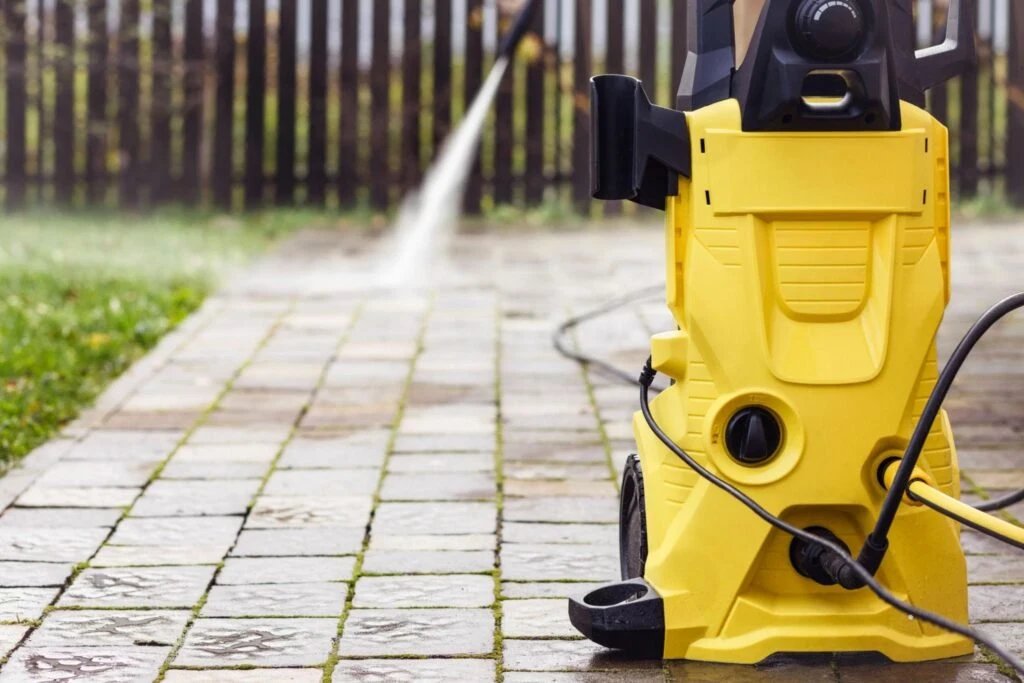
When carried out professionally, pressure washing can significantly extend the lifespan of block paving. Controlled pressure removes algae, moss, and ingrained dirt without harming the surface. This improves drainage, reduces slip risks, and restores the appearance of the paving.
The key difference lies in technique and aftercare. Professionals adjust water pressure to suit the condition of the paving and clean at an angle that lifts dirt rather than driving water into joints. Once the surface has dried, kiln-dried sand is brushed back into the joints to restore stability.
In Bournemouth’s damp climate, this approach helps prevent long-term structural problems while keeping the paving in good condition.
The Importance of Re-Sanding After Cleaning
Re-sanding is not optional. It is a critical part of block paving maintenance.
Without jointing sand, blocks can move independently. This leads to uneven surfaces, pooling water, and premature wear. Fresh kiln-dried sand locks the blocks back together, restores load distribution, and reduces the likelihood of weeds taking hold.
Homeowners who pressure wash without re-sanding often see short-term visual improvement followed by faster deterioration. In contrast, properly re-sanded paving remains stable and performs as intended.
Should Block Paving Be Sealed?
Sealing block paving is not always necessary, but it can be beneficial in certain situations. A suitable sealant can help retain jointing sand, reduce water absorption, and slow the growth of algae and weeds.
However, sealing must be done correctly. The paving must be completely dry, and the weather conditions must be suitable. Applying sealant too soon after cleaning or during damp conditions can trap moisture and lead to discolouration or patchy finishes.
In coastal environments like Bournemouth, professional assessment is advisable before sealing is considered.
How Gutter Cleaning and Roof Cleaning Affect Block Paving
Block paving does not exist in isolation. Poorly maintained gutters can overflow, washing away jointing sand and increasing damp conditions around driveways. Roof cleaning that releases moss and debris onto paved areas can have a similar effect.
Regular gutter cleaning ensures rainwater is directed away from paved surfaces rather than across them. Responsible roof cleaning practices prevent organic debris from accumulating on driveways and patios. Together, these services support the long-term condition of block paving.
How Often Should Block Paving Be Pressure Washed?
For most properties in Bournemouth, pressure washing every two to three years is sufficient. Annual washing is rarely required and may increase the risk of jointing sand loss if not managed carefully.
Between professional cleans, routine sweeping, weed control, and keeping gutters clear can significantly reduce the need for frequent pressure washing.
Frequently Asked Questions
Can pressure washing remove all weeds from block paving?
Pressure washing removes visible weeds, but it does not prevent regrowth on its own. Proper re-sanding and ongoing maintenance are essential to limit future weed development.
Is DIY pressure washing safe for block paving?
DIY cleaning can be done carefully, but incorrect pressure or technique often causes damage. Professional cleaning reduces the risk of long-term problems.
Does pressure washing improve safety?
Yes. Removing algae and moss improves grip and reduces the risk of slips, particularly on shaded or sloped driveways.
Will pressure washing shorten the lifespan of block paving?
When done incorrectly or too frequently, it can. When carried out properly with re-sanding, it usually extends the paving’s usable life.
Conclusion and Professional Advice
Pressure washing is neither inherently harmful nor automatically beneficial. Its impact depends on how it is used. For homeowners asking does pressure washing damage block paving, the evidence shows that problems arise from excessive pressure, poor technique, and neglecting re-sanding.
When approached as part of a structured maintenance plan, pressure washing helps protect block paving, improves safety, and maintains kerb appeal. For Bournemouth properties exposed to coastal conditions, professional cleaning combined with sensible aftercare remains the most effective way to preserve block paving over the long term.
If you are unsure about the condition of your driveway or whether it would benefit from professional cleaning, seeking local expertise can prevent costly repairs later and ensure the work is carried out correctly.